
Bulk Olive Oil for Nutraceuticals and Softgels
Published on September 2, 2026 · 7 min
By the Virginia trading team · reviewed by Tarek Neffati, president
Olive oil sold to a softgel encapsulator or a supplement manufacturer does not follow the same spec sheet as a food bottler or a cosmetic formulator. The base material is identical, but the reading grid changes: pharmacopoeia monographs, oxidative stability over years of shelf life in a sealed capsule, and tighter documentation. This outlet remains largely under-served by Tunisian bulk suppliers — here is how it works and what a buyer should require.
A market distinct from food and cosmetics
Olive oil enters the supplement world through two different doors.
The first is as a carrier oil in softgels: coenzyme Q10, vitamin E and omega-blend supplements, where olive oil serves as the lipid phase that dissolves the fat-soluble active and supports its absorption. Its profile — overwhelmingly oleic acid, a limited share of polyunsaturated fatty acids, natural tocopherols — makes it a more oxidation-stable carrier than most competing vegetable oils, a direct advantage for the shelf life of a sealed finished product.
The second door is olive-derived actives: high-oleocanthal extracts and phenolic complexes (hydroxytyrosol, tyrosol) positioned around metabolic health, inflammation or anti-aging. That segment mostly consumes concentrated extracts and olive leaf material, not bulk oil — worth keeping the two supply chains separate, even though both start from the same tree.
For a bulk trader, the carrier-oil door is the real opportunity: a niche but genuine market, less contested than food and cosmetics, where few origin suppliers actively position themselves. Softgel manufacturers typically buy in smaller, recurring lots rather than one-off large volumes, which favours a sustained sourcing relationship over a lowest-price tender — a buyer profile close to a cosmetic brand or a private-label bottler, with the added pharmacopoeia requirement on top.
Contract manufacturers in this space also tend to run several finished formats off the same base oil — a CoQ10 softgel line, a plain olive oil capsule line, an omega blend — so a supplier able to hold a consistent grade and specification across successive lots, rather than a one-off spot delivery, fits how they actually plan production. That consistency is exactly what a mill-traceable, campaign-based origin can offer more easily than a spot cargo bought on the open market.
The reference standards: Ph. Eur., USP-NF and the COI food grade
The nutraceutical and pharmaceutical market does not read from the same grid as food. The European Pharmacopoeia (Ph. Eur.), managed by the EDQM, publishes two distinct monographs: "olive oil, virgin," obtained by cold expression or another suitable mechanical process from the ripe drupes of Olea europaea, and "olive oil, refined." In the United States, the USP-NF pharmacopoeia carries an equivalent monograph, the default reference for any lot destined for a US encapsulator. Both set fatty-acid composition ranges — oleic acid remaining largely dominant, roughly 55 to 85% depending on the lot — that broadly overlap the International Olive Council (IOC) trade standard used for food grade.
One point worth clarifying upfront: the Ph. Eur. restricts use in injectable (parenteral) preparations to oils that are alkali-refined, a distinct process and certification that fall outside standard bulk sourcing. This guide covers oral and topical use — softgels, supplements, capsules — not injectable excipients, a specialist market with its own dedicated suppliers.
| Parameter | Standard food spec (COA) | Nutraceutical/pharma expectation |
|---|---|---|
| Free acidity | Per IOC grade (≤0.8% extra virgin) | Same, tighter contractual threshold |
| Peroxide value | ≤20 meq O₂/kg, target 10-12 | Tighter threshold, long shelf-life margin required |
| Oxidative stability (Rancimat) | Rarely requested | Frequently required, contractual induction time |
| Heavy metals, solvent residues | Not systematic | Documented on every lot |
| Polyphenols | On request | Quantified when an antioxidant claim is targeted |
| Pharmacopoeia compliance | Not applicable | Ph. Eur. or USP-NF monograph cited on the COA |
What actually changes in the buying spec
Shelf life changes the equation. Food-grade oil is consumed within months; a softgel sits sealed on a shelf for two to three years. Oxidative stability therefore becomes a purchasing criterion in its own right, measured by Rancimat induction time under contract, rather than a single peroxide reading at loading. A serious encapsulator will also ask for a documented peroxide trend over time, not just a snapshot at departure — we cover the fine reading of these parameters in our guide to acidity, peroxide and K232/K270.
Encapsulation behaviour matters too: stable viscosity across the filling line's temperature range, no cold-cloud particles that could clog dosing nozzles, and compatibility with the gelatin or plant-based (HPMC) shell the encapsulator has chosen. A cold-filtered, well-clarified lot free of residual wax deposits avoids these production incidents — a criterion rarely tested on the food side but standard on the encapsulation side.
Origin also plays into the stability question. A rain-fed, lightly treated grove tends to deliver oil with a cleaner residue profile going into testing, and a fresher harvest lowers the starting peroxide value the encapsulator has to work down from over the shelf life of the product — both practical reasons a formulator cares about origin beyond marketing copy on the label.
Documentation also expands: heavy metals and solvent residue testing, a non-GMO statement, traceability back to the originating mill — a point supplement brands increasingly showcase on their own label. When the formula targets a polyphenol-linked or antioxidant claim, quantifying it becomes a specification parameter rather than a nice-to-have; the EU health-claims framework governing that kind of statement is distinct from the Ph. Eur. and worth checking separately, as we detail in our article on olive oil polyphenols and the health claim. These are broadly the same document families a cosmetic dossier requires — covered in our olive oil for cosmetics guide — plus the pharmacopoeia reference stated in black and white on the certificate.
Finally, finished-product compliance stays entirely with the encapsulator: in the EU, Directive 2002/46/EC on food supplements governs labelling and composition; in the US, the 21 CFR 111 CGMP rule requires good manufacturing practice at the encapsulation site. No raw-material supplier can substitute for that compliance — it supplies the documentary building blocks, COA, traceability, declarations, on which the encapsulator's own file is built.
Packaging suited to a softgel manufacturer
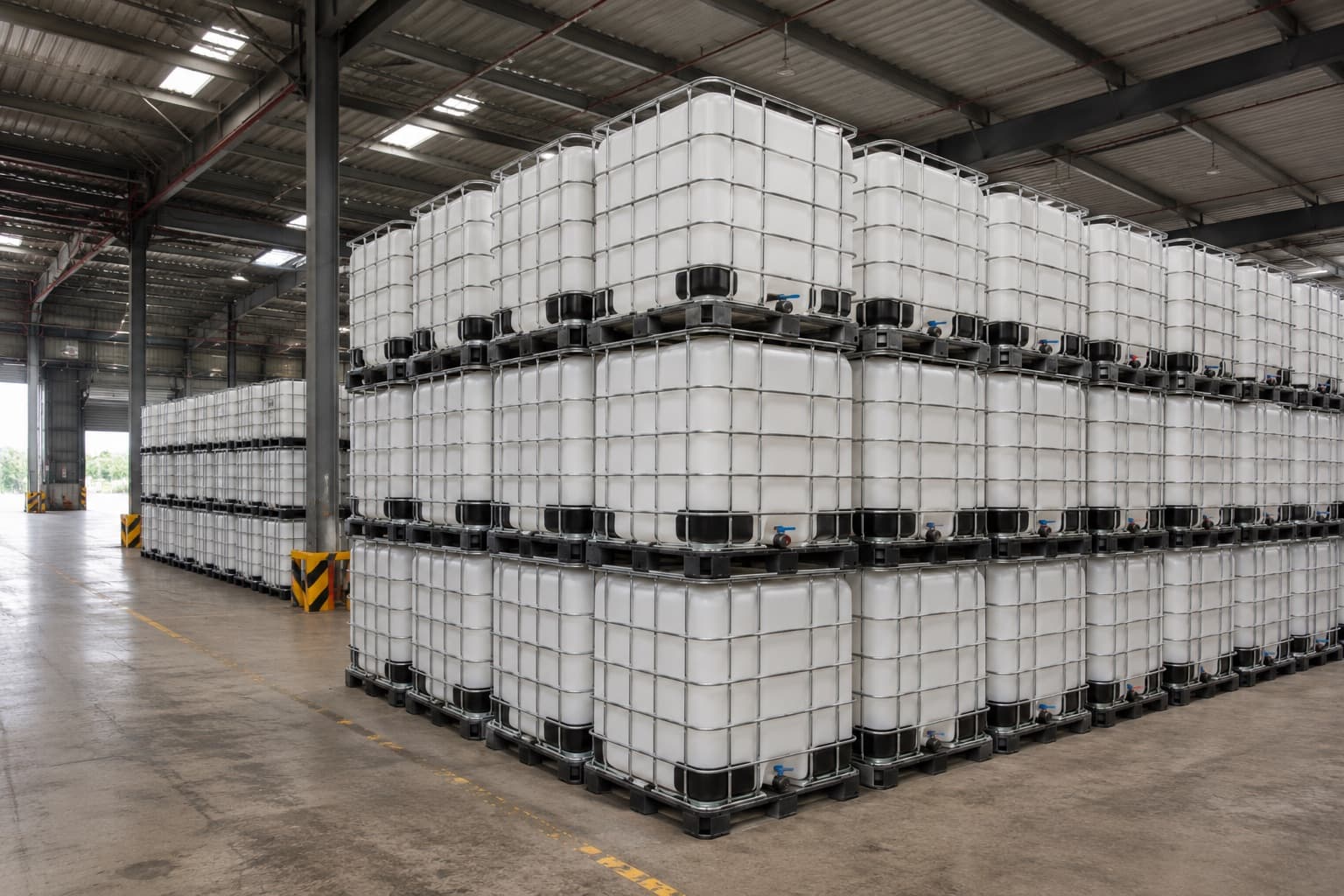
A softgel manufacturer rarely buys a full flexitank: lots are smaller but recurring, timed to production runs and filling lines. 200 L food-grade steel or plastic drums and 1,000 L IBCs remain the best-suited formats, under nitrogen blanket to limit oxidation from receipt through to production, starting with nitrogen-blanketed stainless steel storage at the partner mill — the same containers and the same conservation logic used for cosmetics, detailed in our drums, IBC and bag-in-box comparison. Smaller formats also make it easier to run a stability trial on a single drum before committing a full production lot, which is how most encapsulators prefer to qualify a new origin in the first place.
What Virginia supplies — and what stays with the encapsulator
Virginia sources, through its network of partner mills, extra virgin or refined olive oil that meets the composition ranges of the Ph. Eur. and USP-NF monographs, with a per-lot COA including acidity, peroxide, K232/K270 and polyphenols on request, systematic tasting and traceability back to the originating mill. Independent SGS counter-analysis remains available at loading, and partner sites carry HACCP or ISO 22000 certification depending on the lot. We do not issue a pharmacopoeia compliance certificate or pharmaceutical GMP status: that step, like encapsulation itself, belongs to the encapsulator and its own quality system — our role is to deliver documented, stable raw material to build that file on. Describe the target specification — grade, required oxidative stability, referenced standard — and request a quote: qualification within 24 business hours, samples available before any volume commitment.
Read next
GuidesQuality
Deodorized Olive Oil: The Industrial Buyer's Guide
Deodorized olive oil explained: the refining process, uses in frying, canning and cosmetics, and the COA specs to demand before buying it in bulk.
August 28, 2026 · 7 min read
Market
Olive Oil 2026/27 Season: Early Signals on Price and Supply
Tunisia's 2025/26 export campaign closes at record volumes while Spain and Italy send mixed early signals for 2026/27 — what bulk buyers should do before autumn.
August 26, 2026 · 7 min read

Tell us what you need.
Volume, grade, packaging, destination: describe your project and we'll get back to you within one business day with an offer at the best price — or the right questions.