
Supply Chain Due Diligence (CSDDD) for Bulk Olive Oil Buyers
Published on August 21, 2026 · 7 min
By the Virginia trading team · reviewed by Tarek Neffati, president
A German procurement team forwarding a BAFA-style risk questionnaire down to its bulk oil suppliers. A French bottler that has filed an annual vigilance plan since 2017. Neither is waiting for 2029. Human-rights-and-environment due diligence in the supply chain has already moved from regulatory news into live olive oil tenders, even though the EU's own deadline just got pushed back. Here is what actually applies right now, and how a Tunisian bulk supplier can answer it without waiting for the CSDDD to bite.
Three regimes, one cascading logic
Due diligence isn't a single, distant EU deadline. Three frameworks now overlap, each with its own trigger date and threshold, but sharing the same mechanism: the company at the top of the chain has to map risks at its suppliers, including outside the EU.
| Framework | In force | Threshold | Reach into suppliers |
|---|---|---|---|
| France's vigilance law (n° 2017-399) | 2017 | 5,000 employees in France or 10,000 worldwide | Subsidiaries, subcontractors, suppliers in an "established commercial relationship" |
| Germany's LkSG | 2023, threshold widened 2024 | 1,000 employees (Germany, all sectors) | Direct suppliers, indirect ones where risk is identified |
| EU CSDDD (Directive 2024/1760) | Transposition by 26 July 2028, application from 26 July 2029 | 5,000 employees and €1.5bn net worldwide turnover (or €1.5bn EU turnover for non-EU firms) | Upstream chain of activities, including non-EU suppliers |
The EU text has an unusual status: Directive (EU) 2024/1760, the CSDDD, did enter into force in July 2024 — then the Omnibus I package delayed and narrowed it twice. A first "stop the clock" directive pushed the dates back; a follow-up simplification directive then locked in the current calendar: member states transpose by 26 July 2028, obligations apply from 26 July 2029, and the scope threshold rose to 5,000 employees and €1.5bn turnover — cutting the companies directly in scope from roughly 13,000 to about 6,000 across Europe.
Why a Tunisian bulk olive oil trade is already exposed
No Tunisian exporter or mid-sized trader sits anywhere near those thresholds. That's not the point. The buyers who do — large bottling groups, retail chains, private-label houses already under France's 2017 law or Germany's LkSG since 2023 — push their obligations down the chain by contract, well ahead of any CSDDD deadline. That's exactly how the French vigilance law works: a lead company has to map risk at its subcontractors and suppliers of bulk Tunisian olive oil once volume or recurrence turns the relationship into an "established" one.
The CSDDD's slipping timeline doesn't change that field reality. A French or German buyer already filing a vigilance plan or an LkSG risk analysis this year isn't going to pause procurement until 2029 — they apply it at the next supplier round, olive oil included, and due diligence readiness becomes a selection criterion alongside price and certificate of analysis.
In practice, this rarely arrives as a bespoke letter. Most large buyers now route it through a third-party platform — EcoVadis, Sedex, or an in-house scorecard modeled on the same fields — asking a supplier to self-assess on labor, environment, ethics and procurement practices before a single container is booked. A trader who has never filled one in tends to lose two or three weeks just mapping internal answers to the platform's categories; one who already tracks mill-level certifications and harvest labor conditions as a matter of course fills the same form in a day.
What these questionnaires actually ask for
The scorecards differ by buyer, but for a Mediterranean agricultural chain they converge on the same handful of items:
- Harvest labor: pickers' employment status (declared wages, seasonal contracts, minimum age), pay conditions during the campaign.
- Conditions at partner mills: workplace safety, working hours, site-level certifications (HACCP, ISO 22000).
- Environmental handling at the mill: treatment of olive mill wastewater (margines) and pomace, water use.
- Upstream traceability: the ability to trace a sold lot back to a specific mill and, beyond that, an identified growing area.
- Grievance mechanism: a channel to flag a failure at a supplier or subcontractor.
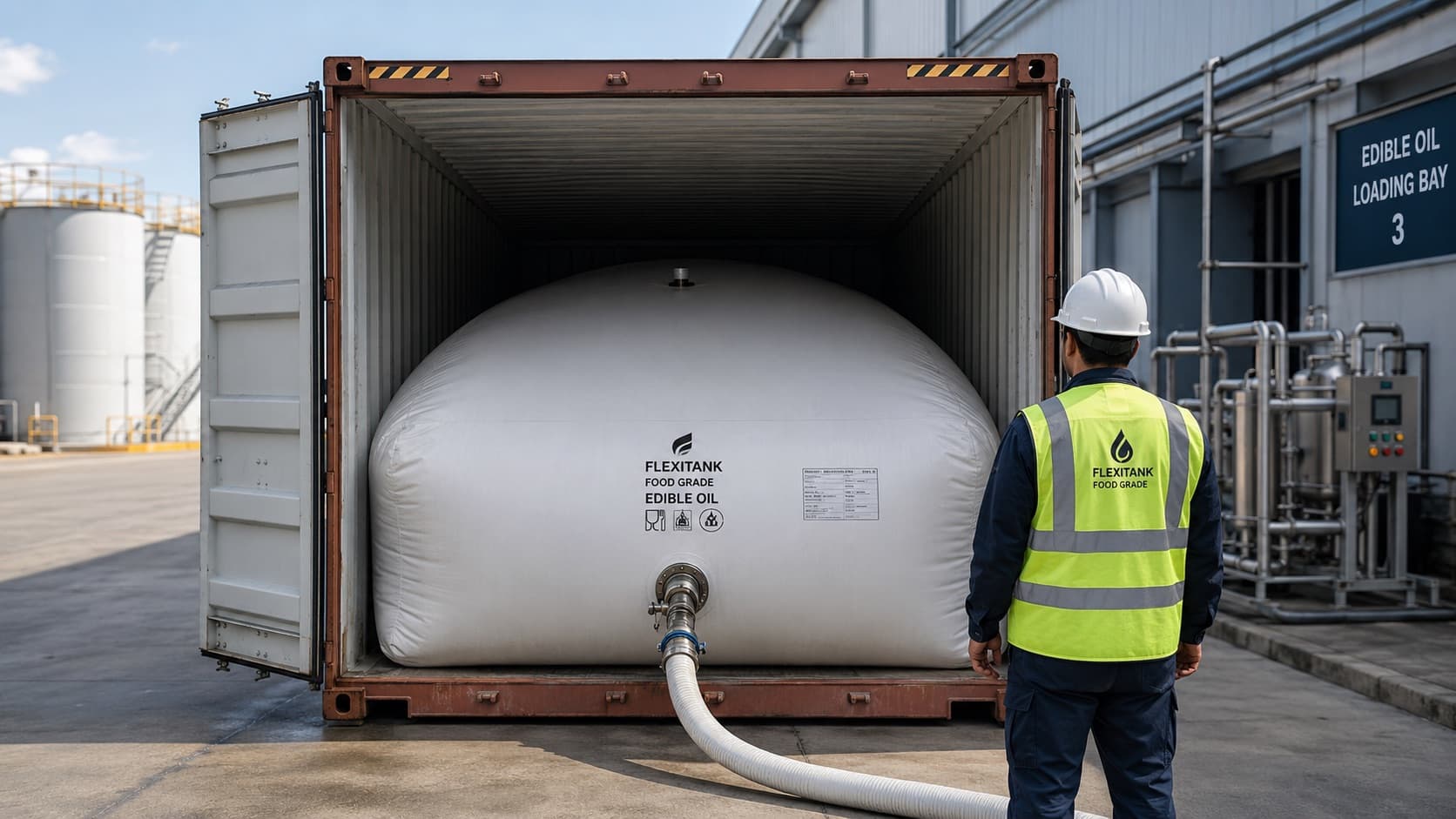
Term for term, these are the same items that populate a French vigilance plan or an LkSG risk analysis — just applied to a flexitank of olive oil instead of an electronics component. On that front, a Mediterranean supply chain starts from a reassuring baseline: harvesting is mostly family or small local crews, milling is mechanical with no heavy chemical processing, and the run from grove to mill is short. None of that removes the need to document it, but it does make the case easier to make.
Document it before you're asked
The best answer to a due diligence questionnaire isn't a statement of intent — it's dated, lot-level paperwork. At Virginia, every bulk lot stays tied to its mill of origin within a network of partner mills; a full COA (acidity, peroxide value, K232/K270, polyphenols on request) travels with every lot, backed by systematic tasting and an independent SGS counter-analysis available at loading. Partner sites carry site-level certifications listed on our quality and certifications page — HACCP or ISO 22000 depending on the lot — and our standing presence in Paris and Sfax/Sahel means a need can be qualified on the ground within 24 business hours: a real asset when a buyer wants a physical check rather than a paper declaration.
That paperwork alone doesn't make a supplier "CSDDD-compliant" — the directive places an obligation of means on the lead company, not on every link of its chain. But it's exactly the raw material that lead company needs to fill in its own risk map, and a supplier who hands it over without delay shortens the qualification cycle noticeably. It's also what separates a trader who can name the mill behind a given lot from a middleman who can only point to his own warehouse — the first test covered in our guide to choosing a bulk olive oil supplier.
The timeline to keep on file
| Date | What happens |
|---|---|
| 2017 | France's vigilance law in force — already binding on large buyer groups |
| 1 January 2023 | Germany's LkSG in force for companies with 3,000+ employees |
| 1 January 2024 | LkSG threshold lowered to 1,000 employees — wider scope confirmed by BAFA |
| 18 March 2026 | Omnibus directive narrowing CSDDD scope and calendar enters into force |
| 26 July 2028 | Deadline for member states to transpose the CSDDD into national law |
| 26 July 2029 | CSDDD due diligence obligations become applicable |
| 1 January 2030 | Reporting obligations (Article 16) take effect |
A reform draft for the LkSG, put forward in Germany in 2025, proposes easing the annual reporting requirement without dropping the underlying due diligence duty — a sign the direction of travel stays the same even as the paperwork gets lighter.
Get ahead of the questionnaire, don't scramble for it
A due diligence questionnaire that lands with no ready answer costs a tender weeks it doesn't need to lose, when the paperwork already exists on the supplier side — and a slow answer reads, to a compliance officer under their own reporting deadline, exactly like a gap the risk map has to flag. Virginia keeps the traceability chain that feeds these files current, lot by lot — mill of origin, COA, site certifications, an available counter-analysis — and our footprint in Sfax/Sahel means a field visit can be documented without waiting for a purchase order. If your procurement team is building a supplier risk map or answering a vigilance plan, request a quote and tell us which documents you need: we prepare them with the lot, not after it ships.
Read next
MarketGuides
Exporting Tunisian Olive Oil to the US: Customs & FDA
HTS 1509 duty rates, FDA facility registration, Prior Notice and USDA organic rules: the practical guide to importing Tunisian olive oil into the US.
August 19, 2026 · 7 min read
Quality
Olive Oil Nutri-Score: What Changed in the 2024 Update
Grade B since the revised algorithm, voluntary in eight countries, a near-miss vote in France in 2025: what buyers should know before printing the logo.
August 14, 2026 · 7 min read

Tell us what you need.
Volume, grade, packaging, destination: describe your project and we'll get back to you within one business day with an offer at the best price — or the right questions.